There tends to always be a ‘lightbulb’ moment in engineering when something clicks: a pattern emerges, a signal clears up or a simple observation reveals something much bigger.
For me, that moment came when I realized how much of our health is hidden in the way we move. Gait is hardly given a second thought because it seems effortless, automatic, almost invisible. But underneath it is a complex web of the brain, muscles, nerves and cardiovascular system; a tiny move in any of those areas can change the way we walk.
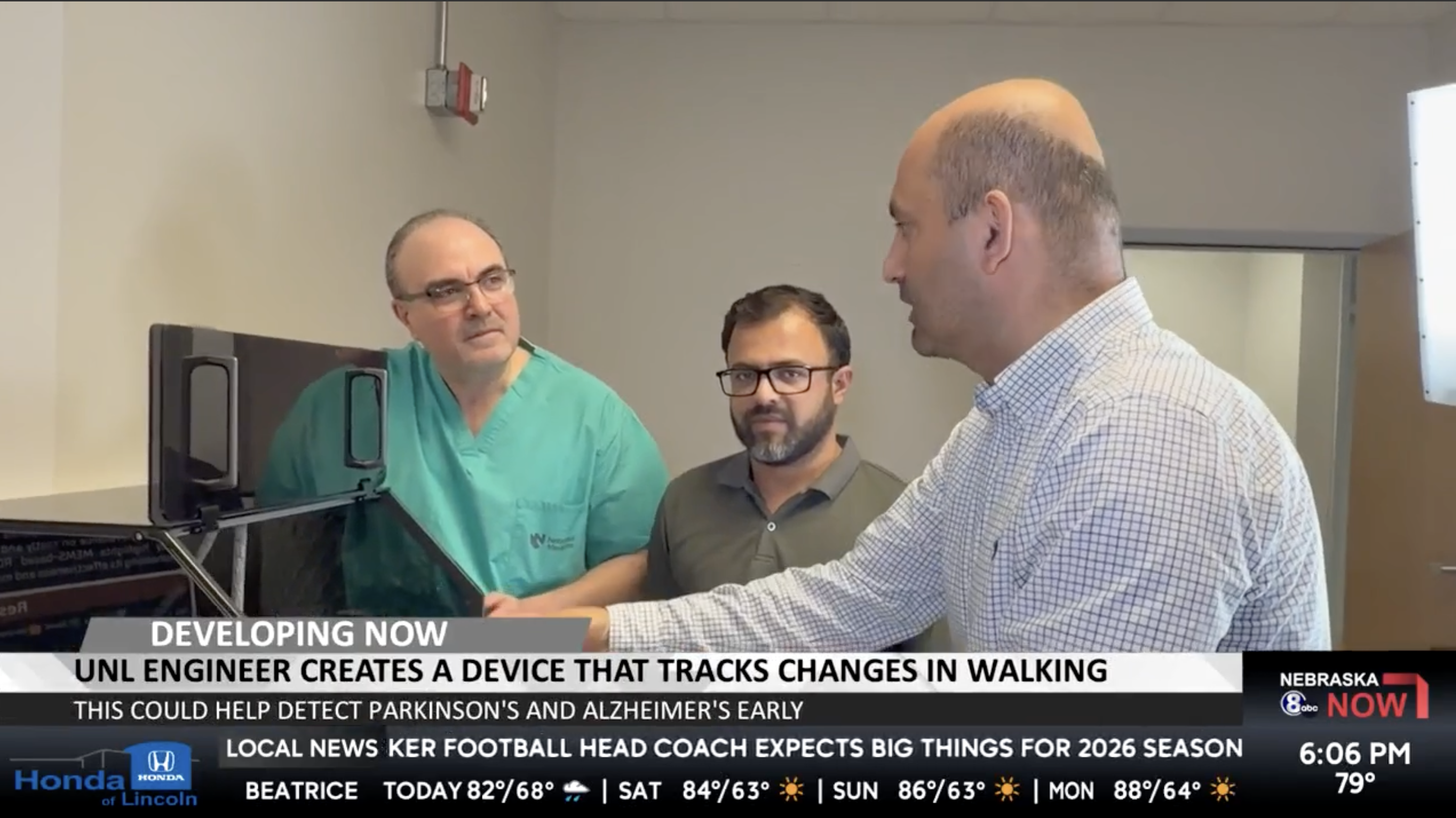
That realization set the course for my work in micro‑electro‑mechanical systems (MEMS). For the last 15 years, I’ve been deeply involved in MEMS research, shrinking sensors down to incredibly small sizes - small enough that you can fit more than 10 inside your smartphone. These same sensors now power the Grasshopper Axis Patch*, enabling continuous, real‑world gait monitoring.
A 20‑Year Gait Dataset That Changed My Perspective
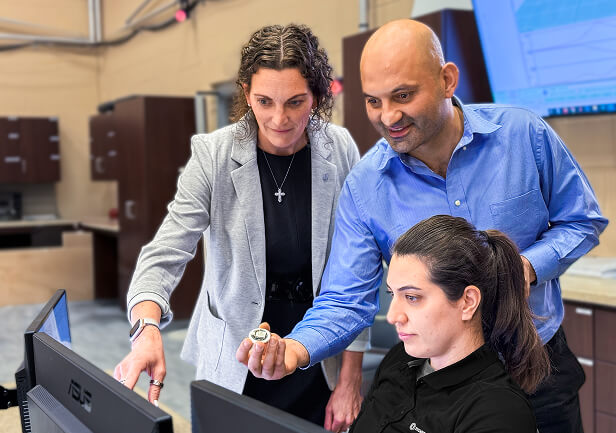
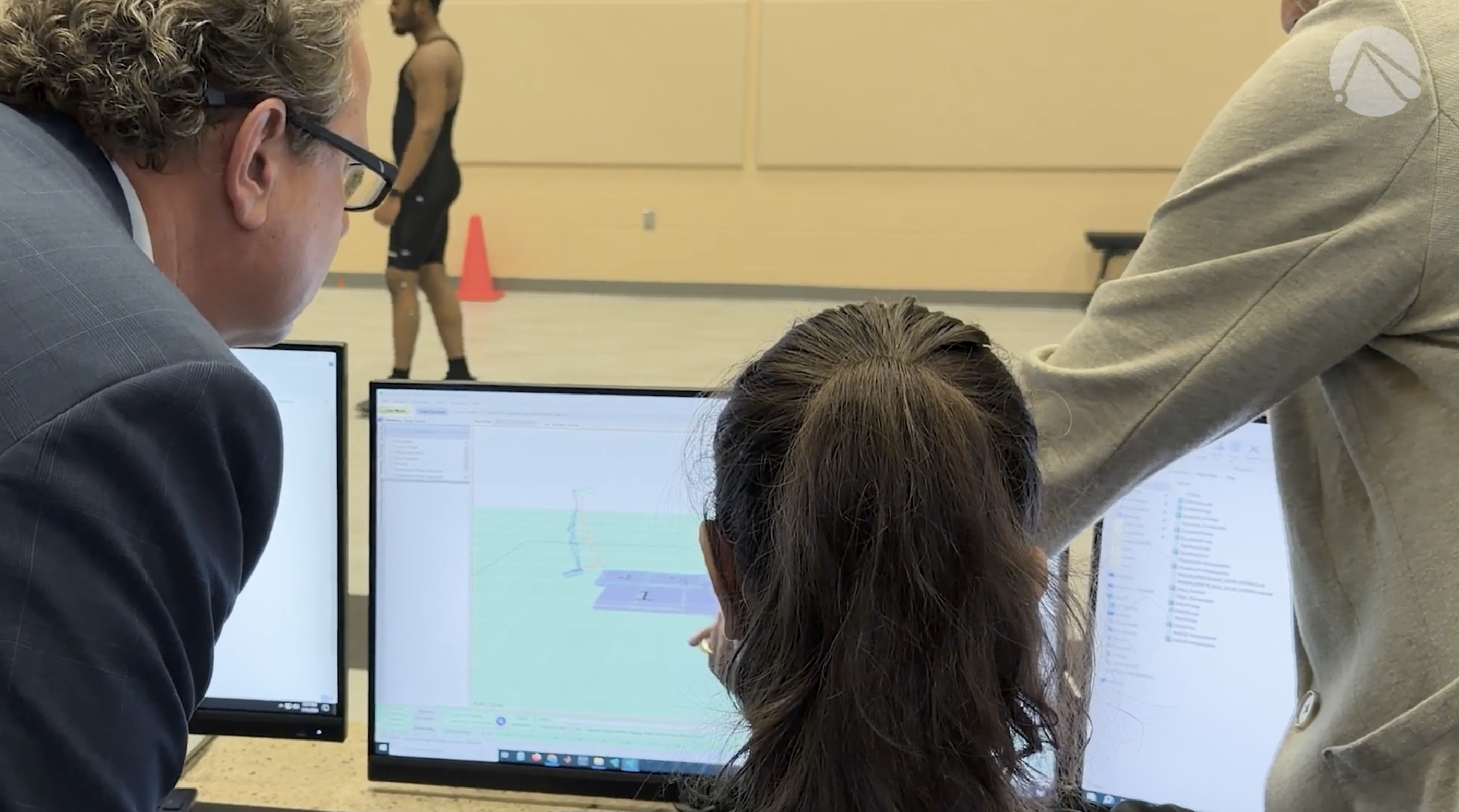
For the last six years, I’ve been working closely with the biomechanics lab at the University of Nebraska Medical Center (UNMC), which has collected more than 20 years of gait data from both healthy individuals and people living with disease. With my background in sensors and machine learning, I began exploring how we could correlate gait patterns with specific conditions.
I was surprised to learn that more than 12 diseases affect gait, spanning neurological, cardiovascular and musculoskeletal categories. Even major events like heart attacks can influence gait in measurable ways.
Yet despite its importance, gait is still underutilized in clinical practice. Today, gait is often evaluated only when a problem becomes obvious and by that time, it’s usually too late. The other challenge is that gait assessments are still just taking place in clinics during routine check-ups, leaving out tons of insight from a patient’s movement in their everyday life.
That’s exactly the gap we’re trying to solve at Grasshopper Health.
Turning Everyday Movement into Clinical Evidence
With this technology, we hope to turn everyday movement into clinical supporting evidence for disease. With the Axis Patch, we’re enabling earlier and more objective monitoring. Instead of relying on a single moment in a clinical setting, clinicians can see how a person moves throughout daily life on good days, bad days and everything in between.
This approach supports two major goals:
-
Early detection: Subtle gait changes can help redefine how chronic disease is monitored and managed.
-
Personalized treatment: When someone starts a new medication or therapy, gait data can help show how their body is responding.
Gait becomes another vital sign, just like blood pressure or heart rate. And when you combine continuous monitoring with machine learning, you unlock a new level of proactive, personalized care.
PAD Data and Ultra Low-Power Wearables
Much of our early scientific work has focused on peripheral artery disease (PAD) because UNMC’s biomechanics lab has such a rich dataset of hundreds of patients over two decades. But the same technology can be applied to any condition that affects gait. Neurological diseases, cardiovascular events, rehabilitation after surgery - the list goes on.
This technology has the potential to support both earlier monitoring and evaluate clinical monitoring indications. If a patient starts a new medication, we can see how their gait changes. If someone is recovering from a major event, we can track their progress too.
One of the areas I’m most proud of is our work on developing systems that could allow a patch to run for years on a single charge. Merging this research with the Axis Patch could be a game‑changer for wearable health technology.
The sky is really the limit.
An Ecosystem That Turns Ideas into Impact
I’ve been doing research for 20 years, writing proposals, securing federal grants and publishing papers, but this work is different. Here, I get to see something that started as an idea turn into a product that might touch people’s lives.
Nebraska has built an incredible ecosystem for innovation. The state grant support and the commitment of our leadership team at Grasshopper Health have all helped move this idea from the lab to something real.
Our goal is to bring the science far enough to scale it to millions of people. We’re here to prove the concept, de‑risk the technology and show that it works.
The Axis Patch™ is currently intended for research use only.