Walking is one of the most fundamental ways we engage with the world. It’s how we move toward the people we love, the places that matter and the routines that make us feel alive. As a physical therapist and researcher, I’ve spent my career helping find answers to one question: how do we help people regain their ability to walk after life-changing injuries or illnesses?
My passion for gait began early, but it was heavily shaped by my time working with Dr. Jacquelin Perry, one of the true pioneers in gait analysis. Her mentorship, and the privilege of being co‑author in her second edition of Gait Analysis: Normal and Pathological Function, solidified my commitment to understanding how and why people move the way they do.
Rebuilding Lives at Madonna Rehabilitation Hospitals
At Madonna Rehabilitation Hospitals in Nebraska, we care for individuals recovering from some of the most serious injuries imaginable: traumatic accidents, neurologic events, complex illnesses and even violence. Once patients are stabilized in acute care, they come to us to regain their lives. Walking is often one of those meaningful goals because it allows people to get back to doing the things they love, their home and their community.
After a neurological injury or illness, several things can disrupt gait. Sometimes the pathways between the brain and muscles aren’t communicating correctly, so the messages that coordinate movement don’t align. Other times, long hospital stays can leave patients profoundly deconditioned. Even when the desire to move is strong, the body may not yet be ready to keep pace.
How Clinicians Study Gait Today
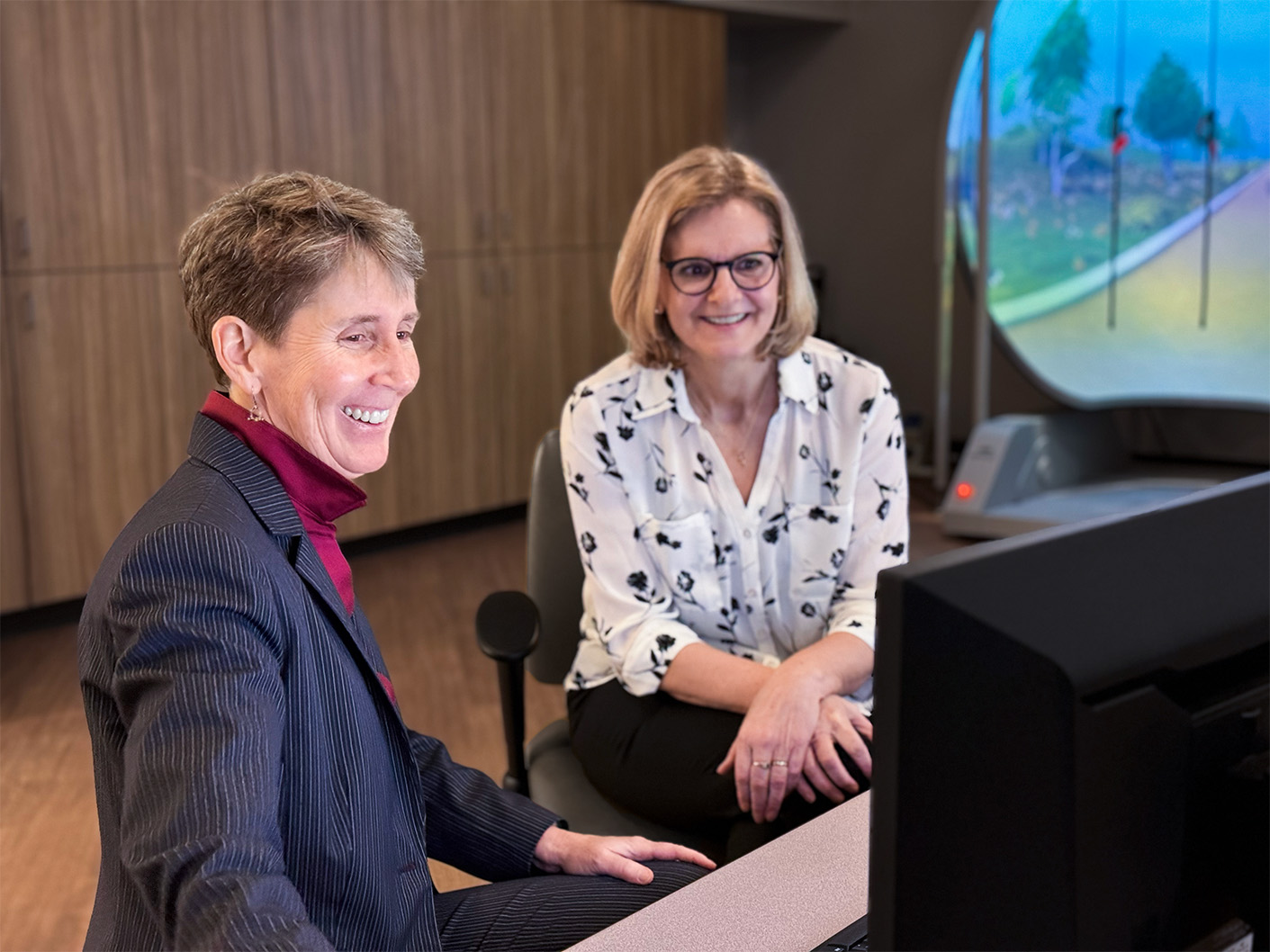
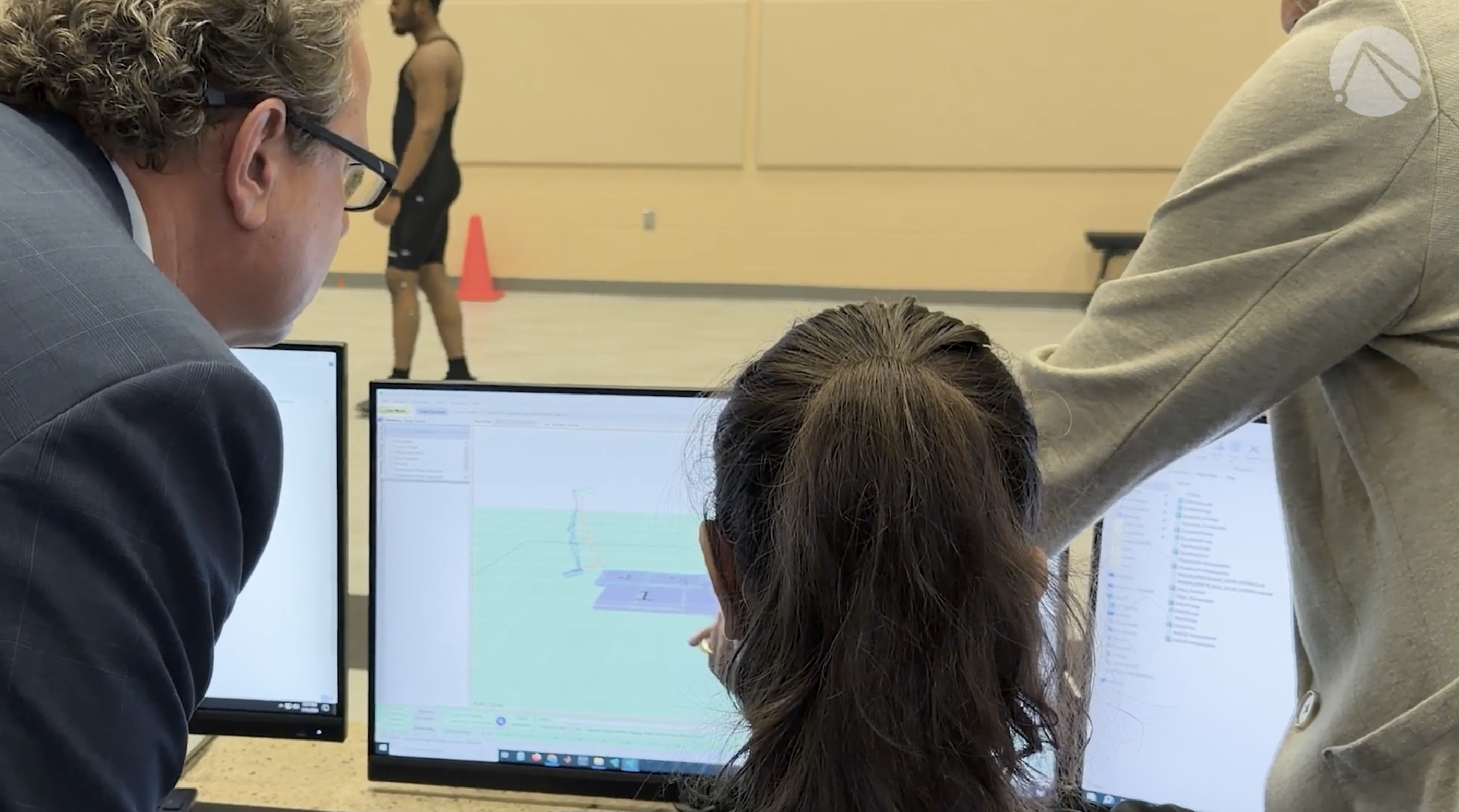
To understand these challenges, clinicians rely on a spectrum of tools. Sometimes it’s as simple as a stopwatch and a trained eye to time a patient’s pace and compare it to normal values. Other times we use instrumented walkways, motion analysis systems, EMG sensors or advanced treadmills that measure forces and introduce controlled perturbations.
In our gait laboratory, these technologies allow us to study gait with remarkable precision and help us answer critical questions:
-
Is a patient’s step length improving?
-
Are they compensating with one side of the body?
-
Are their muscles activating at the right time?
These insights guide treatment plans and help us tailor interventions to each individual’s needs.
The Limits of a Gait Lab
Even the most state-of-the-art gait laboratories have limitations. They offer a moment in time, but they don’t show us how a patient moves at home, when they’re fatigued, when their medications fluctuate or when they wake at 2 a.m. to go to the bathroom.
They don’t capture all the variables of real life: good days, hard days, the days when something subtle begins to change. Plus, for many patients, especially those living in rural communities, traveling to a gait lab is not only inconvenient but sometimes impossible.
Why Continuous, Real‑World Gait Data Matters
That gap matters.
If a new medication causes someone to take fewer steps or spend more time in bed, we need to know. If a brace or prosthesis begins to fit differently, early detection could prevent injury. If balance worsens, we can intervene before a fall occurs.
And for patients, objective data can help answer the ever‑present question: Do I need to call my doctor, or am I okay? That reassurance can make all the difference.
Wearable devices like watches have moved us closer to continuous monitoring, but they still fall short. They require charging and hoping the patient remembers to put it back on in the morning, and for individuals with cognitive challenges, they may not be practical at all.
The Value of Continuous, Low‑Burden Gait Monitoring
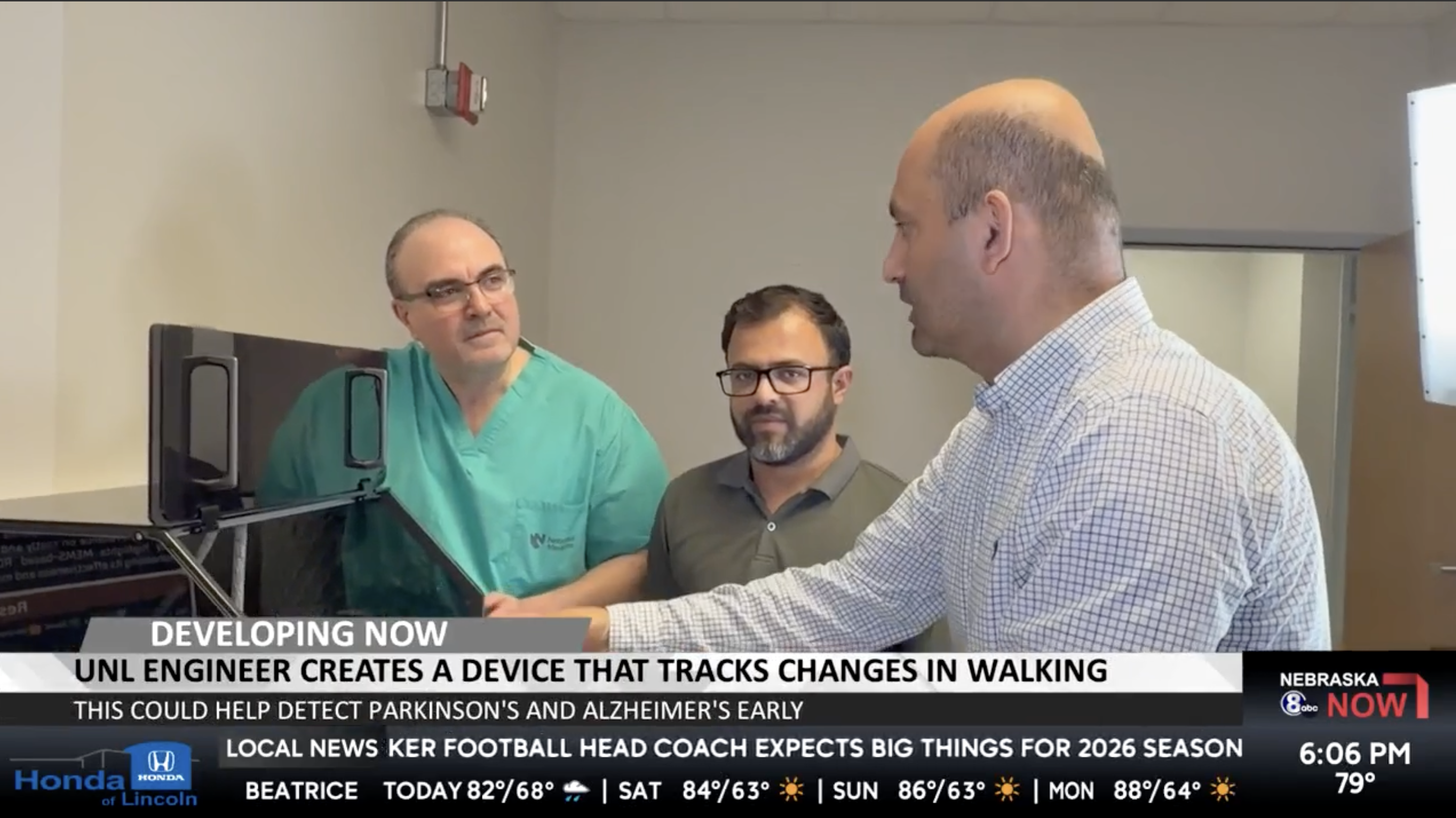
Imagine the richness of the information coming from a simple patch that stays on for two weeks and quietly collects 24/7 gait data.
Suddenly it’s not guesswork anymore. You’re getting the full picture: how someone truly functions across medication cycles, fatigue levels, social interactions and environmental demands. Then, imagine monitoring early signs of chronic diseases through the same measurable changes in movement.
For progressive conditions, subtle shifts in gait can be early indicators of decline. For improving conditions, they can be signs of meaningful recovery. Continuous data gives us the ability to see both.
My Collaboration with Grasshopper Health
My connection to this work grew through the Great Plains Brain Injury Initiative, where I collaborated with clinicians and researchers committed to improving outcomes for individuals with severe brain injuries. At the same time, colleagues were developing technology capable of tracking gait continuously in the real world. And at Madonna, we were searching for better ways to understand how our patients were doing after discharge, especially those returning to rural communities.
When Grasshopper Health reached out to share their vision, it felt like the perfect alignment of needs and expertise.
Building Technology Around Real Patient Needs
What inspires me most is the shift toward patient‑driven, clinician‑informed innovation. The most meaningful technologies are built around real needs, shaped by the lived experiences of patients and bridge the collaboration among engineers, clinicians and researchers.
When patients begin asking for a technology by name because it improves their independence and well‑being, that’s when you know you’ve created something that matters.
A Future Where Every Step Tells a Story
Every day at Madonna, I see individuals take steps, literally and figuratively, that once felt impossible. Sometimes the progress is dramatic and other times it’s subtle, but each step represents resilience, hope and the human capacity to rebuild.
If we can pair that determination with tools that illuminate the full picture of how people move through their daily lives, we can deliver care that is more responsive, more personalized and ultimately more transformative.
That is the future I’m excited to help build.